
Become a Maison Mavune partner
Would you like to work with Maison Mavune? Here you will find possible collaboration options, the information required and direct contact details for an initial review.

Who can become a Maison Mavune partner?
A partnership may be of interest to interior professionals, creators, retail partners or project-based collaborations. Whether a collaboration is a good fit depends on the objective, target audience, scope, region and specific project.
That is why you should describe your idea as specifically as possible. A brief project overview, relevant channels or references, timeline and preferred form of collaboration will help us assess it. This page does not constitute an automatic commitment or a public partner programme.
Possible forms of collaboration
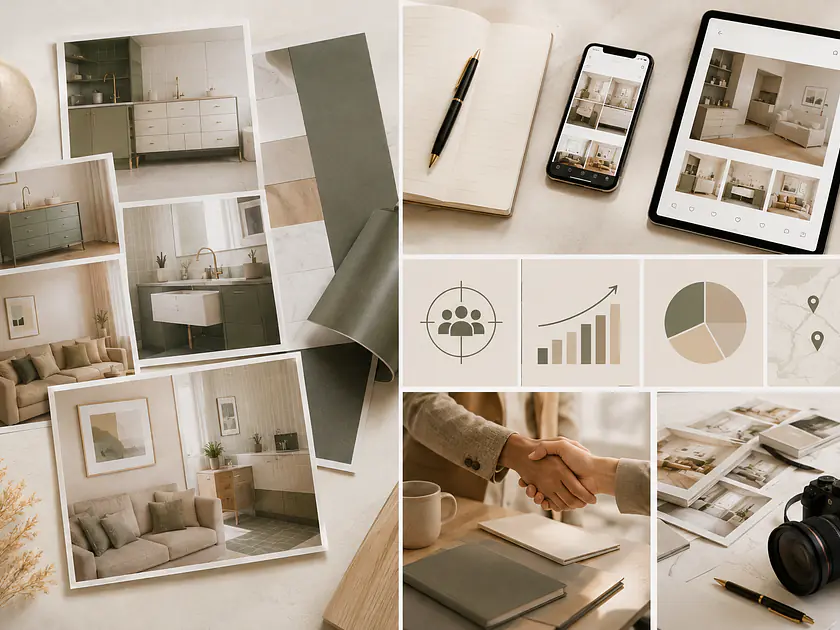
Target audiences and collaboration options are more diverse than just two or three choices. They are therefore presented as an open use-case framework.

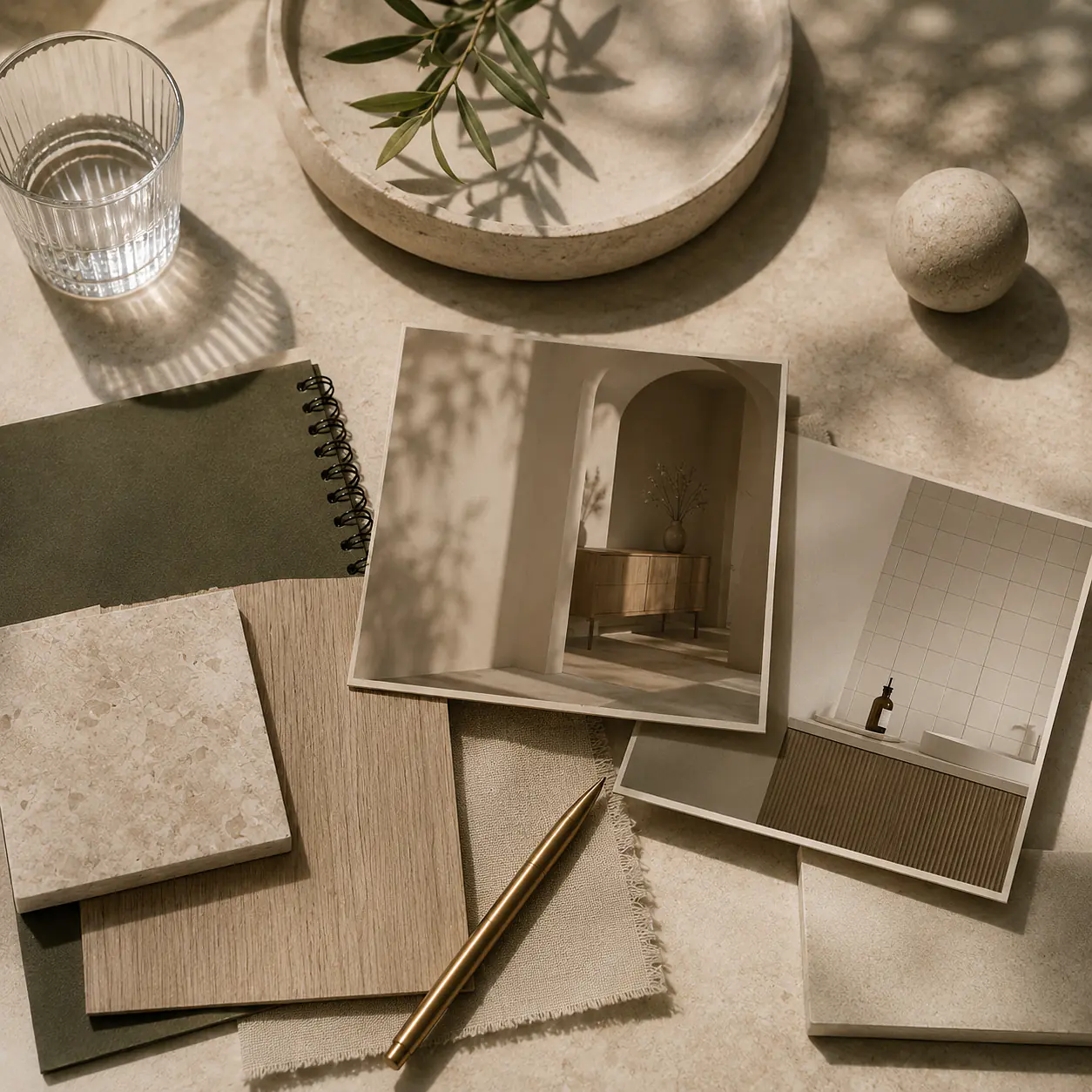
What a good partner enquiry should include
Name the organisation or channel, contact person, target audience, country or region and preferred form of collaboration. Also describe which product range or topic is relevant and what specific benefit the project offers both sides.
If a date, quantity, spatial project or publication schedule has already been established, include these key details. Complete information enables a faster internal review, but does not guarantee acceptance.

From initial contact to a clear project brief
After an initial assessment, the objectives, responsibilities, content, products, schedule and approvals should be defined in writing. This ensures that everyone involved knows what is to be delivered, published or implemented.
For sensitive data, binding terms or extensive files, use the channels agreed upon during further discussions. The initial enquiry should remain concise and easy to assess.
How to prepare a partnership enquiry
The following steps organise the process from the initial review to the next meaningful objective.
Which information speeds up the review?
A clear subject line and a brief project overview help us assign the enquiry correctly. Then describe the objective, target audience, planned contribution from both sides and desired timeframe.
For content collaborations, the format, channel and editorial context are relevant. For retail or project outfitting, information about the market, product range, expected scale and organisational process is helpful.
Please do not send unsolicited confidential information. Binding terms, availability and specific next steps will only be established through direct communication.
Suitable next steps
Explore open questions in greater depth or go directly to the relevant product range, guide or service page.
Frequent Questions
Furniture Film: Selection, Measuring and Preparation
What furniture surfaces is furniture film suitable for?
Suitability depends on the specific product and the existing surface. Compare the material, coating and condition of the surface with the product specifications.
How do I measure a piece of furniture for furniture film?
Measure the fronts, sides, panels and visible edges individually. Note any cut-outs, handle holes and the desired direction of the design, rather than using only the overall dimensions of the furniture.
How much furniture film should I order?
Add up the dimensions of all the intended sections and take into account the edges required for the product and project, as well as a reasonable cutting allowance. Check the format and scope of delivery on the product page.
How do I plan the decor direction across multiple fronts?
Before cutting, define a direction and number the doors and drawers. This makes it possible to continue wood, stone or linear looks consistently across adjacent surfaces.
Do I need to remove doors and handles before applying the film?
That depends on the furniture and the project. Removable parts often make it easier to measure and work on edges; follow the assembly instructions for the furniture and the product.
How do I prepare a furniture surface?
The surface should be suitable according to the product specifications, clean, dry, and free of any residue that could interfere. Always test sensitive or unclear surfaces first in an inconspicuous area.
Can I simply cover damaged furniture with adhesive film?
Film does not automatically compensate for structural damage. Loose coatings, raised areas or deep damage may remain visible and must be professionally assessed beforehand.
Where can I find the installation instructions for my furniture film?
The binding instructions are provided with the respective product. The pages on measuring furniture, choosing the right film and planning the installation also provide helpful information.
Tile Film: Planning, Grid and Application
How do I measure tiles for tile film?
Measure the width and height of a single tile and count the areas required. Also document edge pieces, sockets, cut-outs and the position of the joints.
Is tile film applied to individual tiles or over the grout lines?
That depends on the specific product. Check the product format, appearance, and installation instructions before planning the quantity and order.
Can tile film be used in the kitchen or bathroom?
Check the approved area of use for the specific product. Moisture, heat, direct exposure to water and the substrate vary depending on the location in the room.
How do I plan power outlets and edge cutouts?
Measure the position and outer dimensions of each cutout and determine the installation sequence in advance. Work on electrical components should be carried out by qualified professionals.
How do I prepare tiles before applying the stickers?
Clean the surface according to the product instructions and allow it to dry completely. Grease, limescale, dust or loose residue can affect the result.
How many tile stickers do I need?
Count all the tiles you plan to cover and allow for edge pieces as well as a project-appropriate reserve. The decisive factors are the tile dimensions and the scope of delivery of the selected product.
How do I align a decorative pattern across multiple tiles?
Determine the starting point, order, and direction of the decorative pattern before laying the first tile. If the product has a visible repeat, first lay out several elements in the planned sequence.
How do I care for a tiled surface covered with film?
Follow the care instructions for the specific product. Do not use untested tools or cleaning products that could damage the surface or edges.
IKEA Furniture: Model Selection and Matching Film
How can I find out which IKEA furniture I have?
Check the product label, receipt or assembly instructions. Also compare the external dimensions, number of components, drill holes and visible edges with the product description.
Why is the series name not always sufficient for selection?
Series can include different sizes, generations, and versions. For a reliable match, the model variant and dimensions must correspond to the product being offered.
Are the films also suitable for older IKEA models?
This is only the case if the product description covers this model and the relevant dimensions match. Measure your existing furniture before placing your order.
Which furniture surfaces are included with an IKEA film product?
The scope of delivery is determined by the title, product description, and selection options. Fronts, sides, cover panels, doors, or inserts may be separate products.
What should I do if my IKEA series is not listed?
Use the general furniture film category and plan the surface based on its actual dimensions. Check the format, substrate and processing of the selected product there.
Do I need to remove IKEA fronts before installation?
That depends on the furniture and the surface in question. Removable parts can make it easier to align and work on edges; follow the instructions for the furniture and the film product.
How do I check the correct orientation of the IKEA furniture?
Document whether the furniture is assembled vertically or horizontally, with the left or right side facing out. Also check doors, drawers and inserts that alter the visible surfaces.
Is Maison Mavune affiliated with IKEA?
Maison Mavune offers products for correspondingly designated furniture models. Check the specific compatibility and dimensions on the respective product page.
KALLAX: Fit, Surfaces and Makeover Planning
How do I identify my KALLAX version?
Count the cubes across and down and measure the existing shelving unit. Take into account whether it is positioned vertically or horizontally and which inserts are installed.
Are exterior surfaces and compartment interiors for KALLAX the same product?
Not automatically. Check the title, images and scope of delivery to see which surfaces the selected product is intended for.
Are KALLAX doors, drawers or box inserts included?
Inserts and their fronts are only included if they are explicitly listed in the scope of delivery. Order the shelf unit and inserts separately.
How many elements do I need for my KALLAX shelf?
Determine the quantity based on the version, number of intended cubes, and the surfaces described in the product details. Compare the product format and scope of delivery before ordering.
Can I position a KALLAX shelf unit vertically and horizontally?
The orientation affects the viewing direction and the flow of the design. Decide on the final orientation before cutting or assembly and check whether the product is shown in a suitable position for this.
How do I plan a design across multiple KALLAX compartments?
Lay out all the intended elements in their final order and mark their positions. This keeps the direction and transitions across adjacent cubes easy to follow.
Should I remove KALLAX inserts before wrapping?
Plan the carcass and inserts as separate components. Whether removal is necessary or advisable depends on the furniture, product and accessible edges.
Where can I find ideas for a KALLAX makeover?
Use the IKEA hacks, furniture makeovers and before/after pages, then navigate from there to the relevant KALLAX category.
Wall Decals: Size, Surface and Installation
Which walls are suitable for a wall decal?
Suitability depends on the surface, coating, and product. Compare the existing surface with the information on the product page.
How do I find the right wall decal size?
Measure the actual available wall space and take furniture, doors, windows, and viewing distance into account. Mark out the planned outer contour at its original size to check the proportions.
How do I position a wall decal above a piece of furniture?
Use the center of the furniture, the wall axis or another visible reference line. Check the position from several viewing angles and allow sufficient distance from edges and light fixtures.
Can a wall decal adhere to a textured wall?
Heavy textures can affect the contact surface. The instructions for the specific product are decisive; test unclear surfaces in an inconspicuous area.
Can I apply a wall decal to a freshly painted wall?
Observe the complete drying and curing time of the wall paint used, as well as the product specifications. A wall that is dry on the surface is not necessarily fully cured.
What preparation does the wall need?
The surface should be suitable according to the product specifications, clean, dry, and free of dust or loose particles. Plan the position and alignment before removing the backing material.
Can a wall decal be removed later?
The result depends on the product, surface, wall coating, and length of use. Check the product-specific information and proceed with particular care on delicate walls.
How do I plan a wall decal in a child’s room?
Take the bed, play area, furniture height and any future rearrangements into account. Choose the design and position so that the wall décor also looks great from typical eye levels.
Wall Art: Format, Arrangement and Gallery Wall
What wall art size fits above a sofa or sideboard?
Use the available wall space and the width of the furniture as a guide. Mark out the outer dimensions of the planned format before making your decision.
How do I combine multiple wall pictures?
Connect the motifs through their color scheme, theme, frames, format, or recurring spacing. A main motif can provide a clear starting point for the arrangement.
How do I plan a gallery wall before hanging it?
Lay the pictures out on the floor or work with full-size paper templates. Check the outer contour, spacing and sightline before marking the mounting points.
Are a frame or hanging hardware included with the wall art?
This depends solely on the respective product description and the selected format. Please check the scope of delivery and the specifications before placing your order.
Why may colors appear different on the screen?
Display settings, ambient light, and photography lighting affect how colors are displayed. Compare multiple product and detail views and take the existing room color into account.
How high should a wall picture be hung?
There is no universal height. Align the center of the picture with the usual eye level and, when placing it above furniture, also consider the distance from the top edge of the furniture.
How do I mix portrait, landscape, and square formats?
Use a shared axis or recurring gaps. Distribute large, dark, or high-contrast motifs so that the overall group remains visually balanced.
Which wall art is suitable for a child's room?
Choose a format, motif and position that suit the room, furniture and viewing height. A flexible group of pictures can be supplemented or rearranged more easily later.
Order & Service
What should I do if my order arrived damaged or faulty?
Can I return my order?
How long do production and shipping take?
Care & Durability
How long does furniture film last?
Can furniture film be removed again?
How do I clean and care for furniture film?
Measuring & Installation
How do I apply furniture film correctly and avoid air bubbles?
How much furniture film do I need?
How do I measure my furniture correctly?
Surface & Area of Application
Can I apply film to textured or uneven surfaces?
Is furniture film suitable for kitchens and bathrooms?
What surfaces does furniture film adhere to?
Product Selection & Samples
Why does the color of the film look different to me than it does on the screen?
Can I order a sample before placing my order?
At present, shipping individual samples is unfortunately not feasible for us: The effort involved in cutting, packaging, and shipping would be comparatively high, while also generating large quantities of material waste. We would therefore have to charge approximately the same price as for one linear meter.