Sustainability at Maison Mavune: redesign instead of replacing too soon
Our approach begins with what is already there: carefully assess suitable furniture, fronts and surfaces, make targeted changes and continue using them sensibly for as long as possible. This includes selecting the right products, taking accurate measurements and carrying out the work carefully.
We do not view sustainability as a blanket product label. A film is additional material. What matters is whether a project sensibly preserves what already exists and is planned in a comprehensible way.
What does sustainability mean at Maison Mavune?
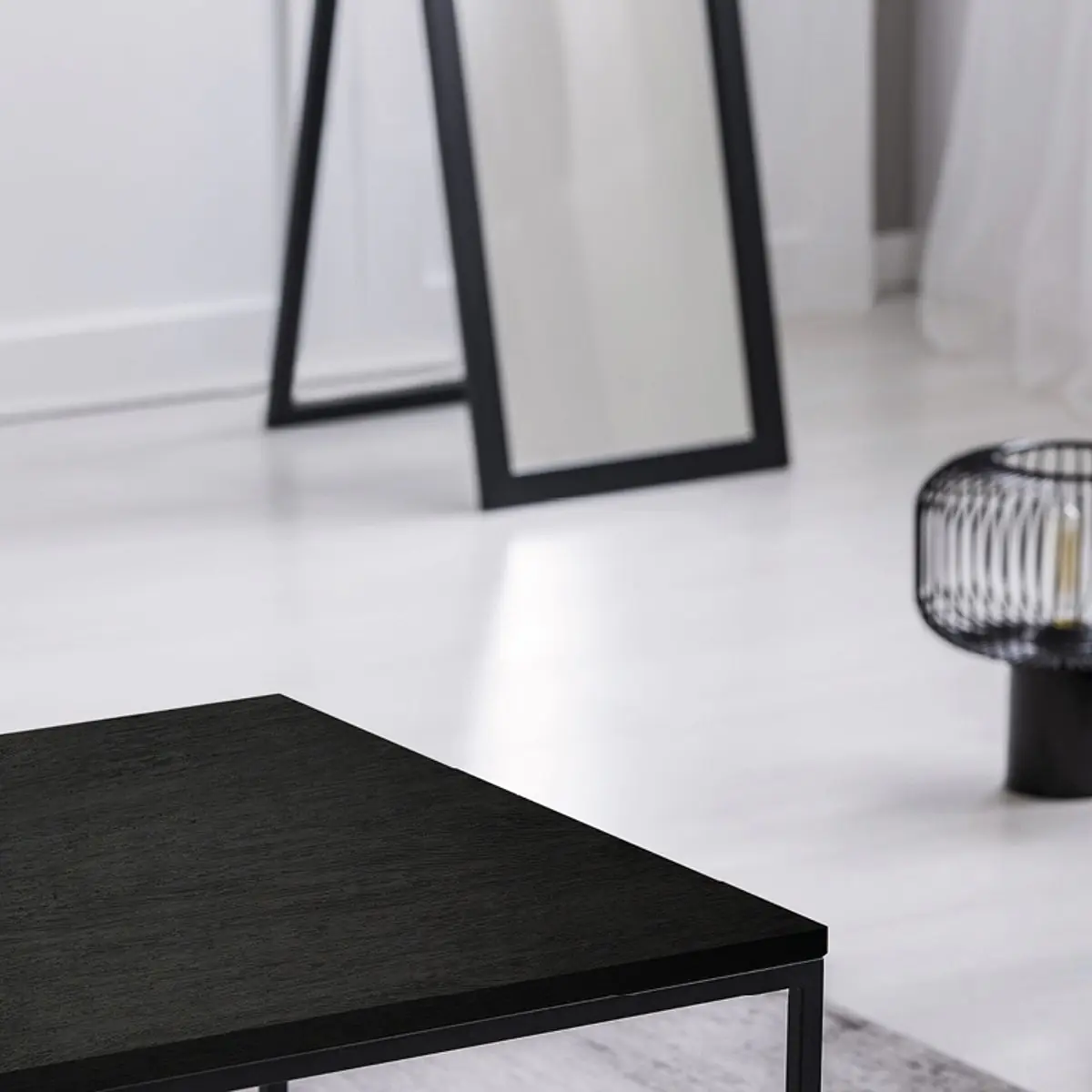
For Maison Mavune, sustainability primarily means not discarding existing things solely because of their appearance. If a piece of furniture is sturdy, functional and suitable for the chosen application, a new surface can help integrate it into the room in a way that works again.
Anyone looking for sustainable furniture film should therefore assess more than just colour and design. Relevant factors include the condition of the furniture, the suitability of the surface, the actual material required, the intended service life and processing that is appropriate for the product.
Not every film project is automatically the more sustainable choice. This page shows which questions support a conscious decision and where blanket statements fall short.
Four levers for a more consciously planned room update
A meaningful approach to sustainability does not arise from a single buzzword. It combines preserving suitable furniture with choosing the right product, precise planning and a design that still suits your home after the initial trend has passed.
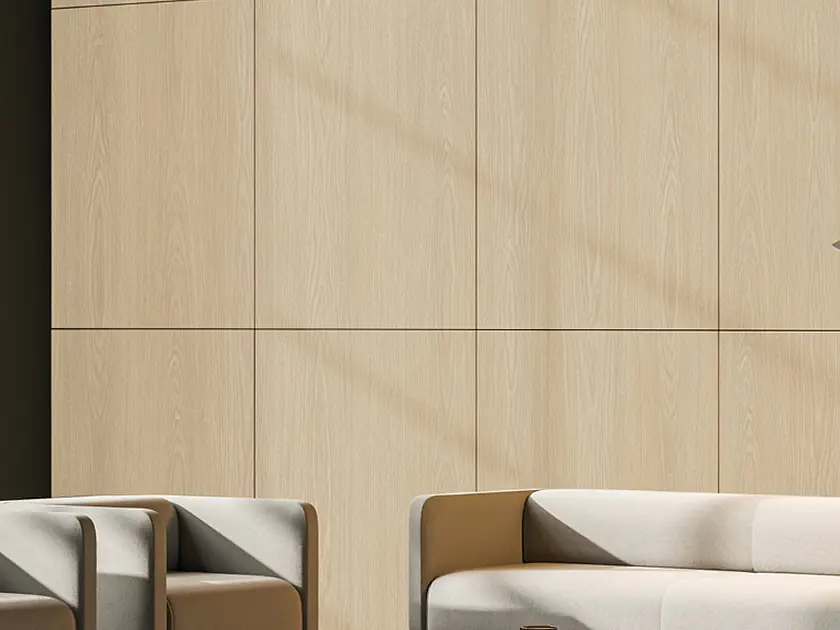
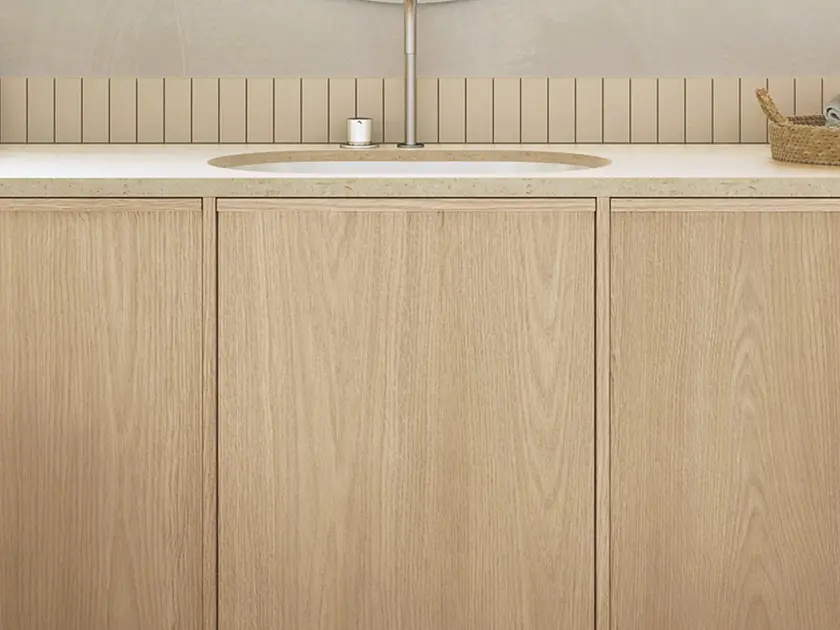
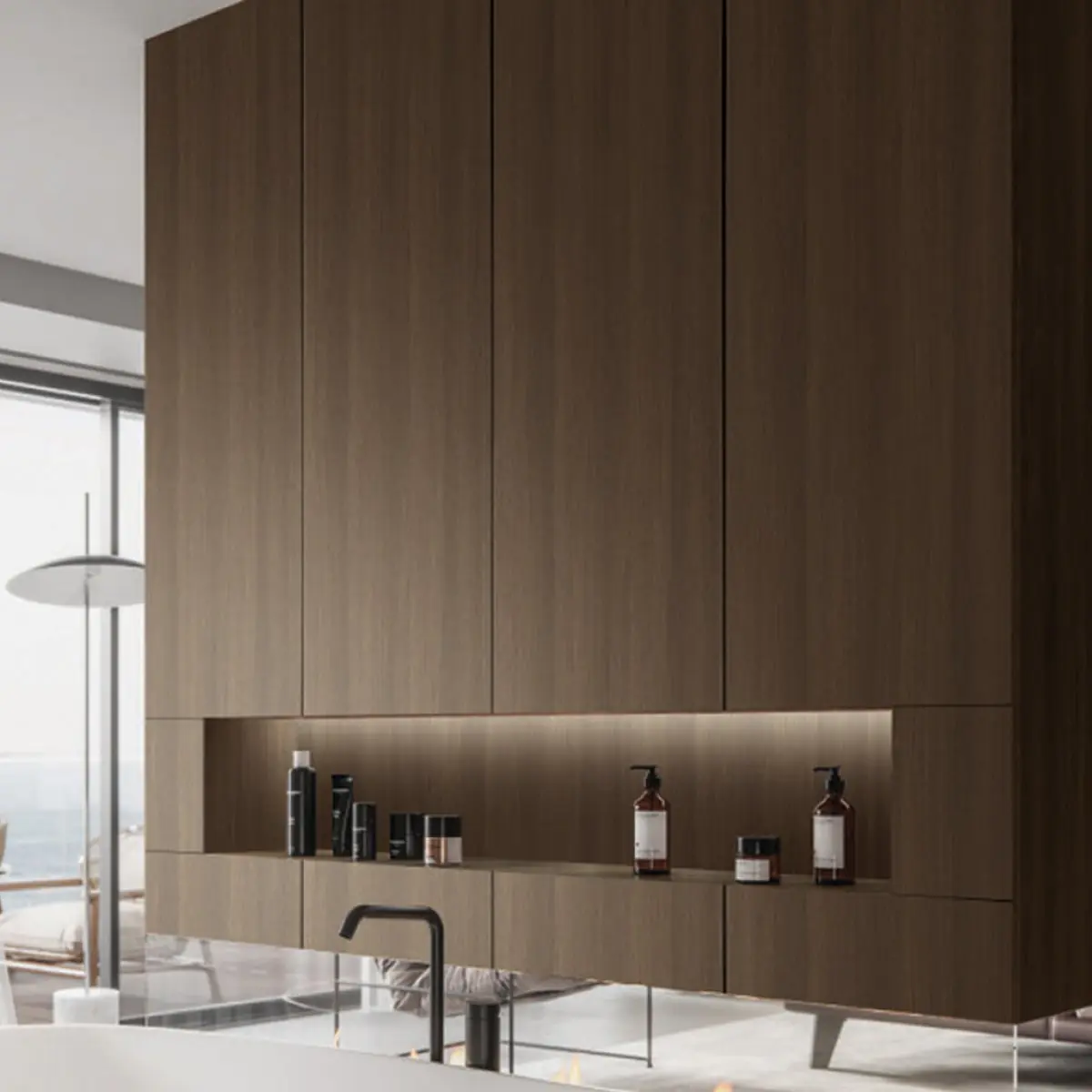
Preservation begins with an honest assessment of what already exists
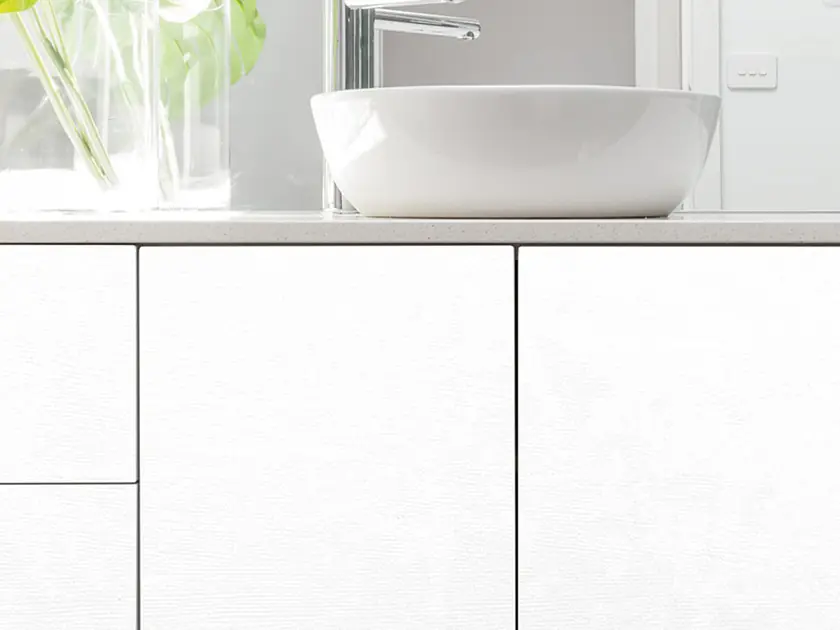
Before redesigning a piece of furniture, check its function and condition. Can the doors and drawers be used safely? Are the connections stable? Is there moisture damage, loose coating or another problem that a new surface would merely conceal?
A makeover makes particular sense when the furniture is still needed but no longer suits the room visually. Repairs and safety-related work take priority over design. Sometimes the more conscious decision is not to carry out a project.
- Check function and stability before appearance
- Do not merely cover up damage
- Only redesign surfaces that suit the specific product
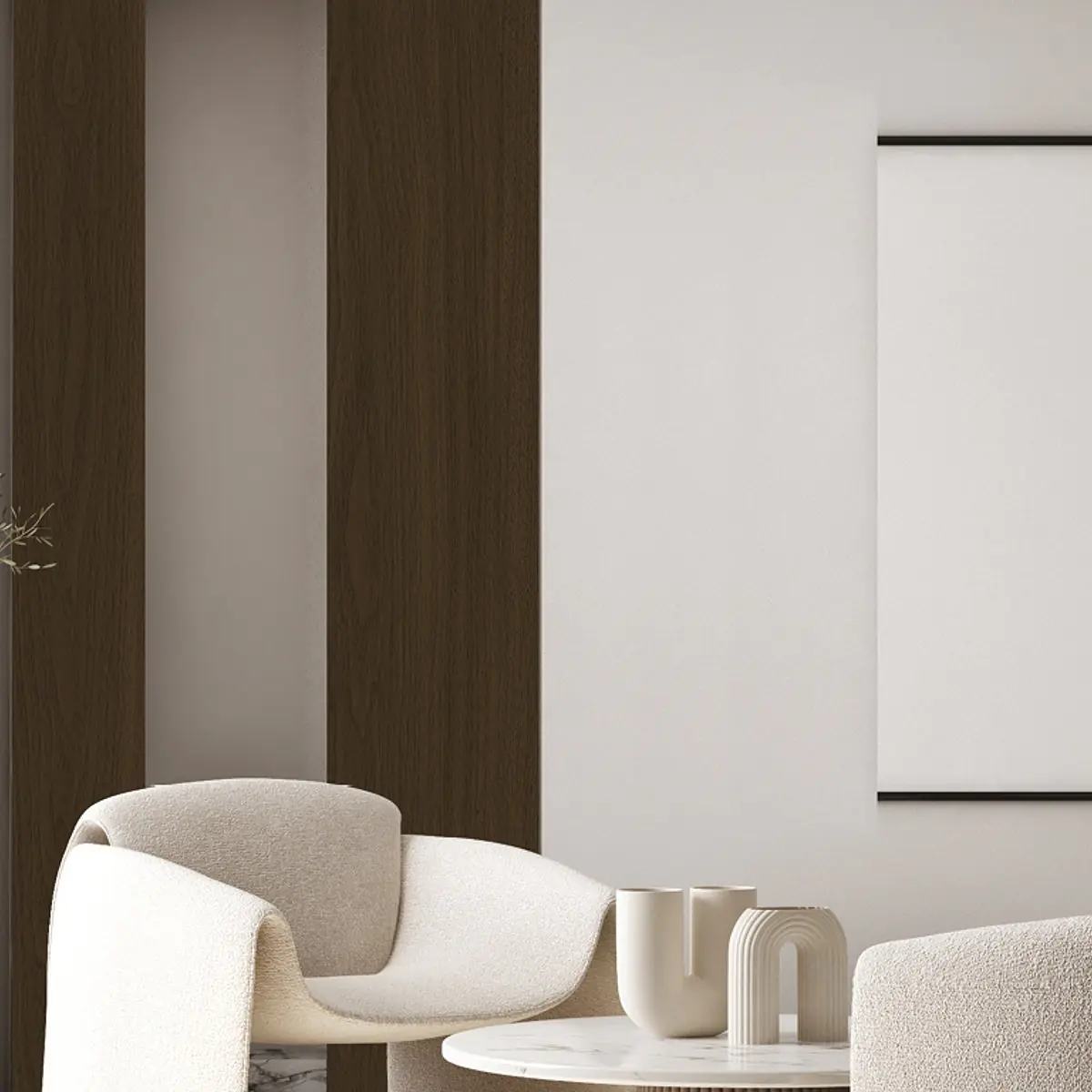
Suitable materials instead of blanket solutions
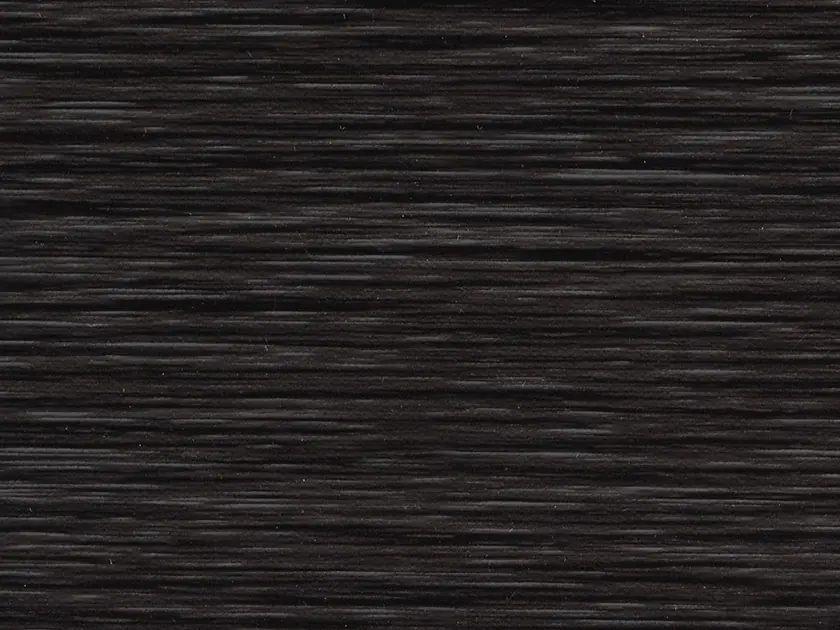
Wood, stone, plain or textured looks initially describe the design. This does not mean that every product can be used on every surface. The substrate, coating, edges, moisture and intended use must be compared with the specifications of the specific product.
Choosing the right product can prevent incorrect purchases and unnecessary repeat work. Therefore, use the material guide and the “Which film is right?” page before deciding based on a design alone.
- Determine the area of application before the design
- Document the substrate and its condition
- Use the product specifications as the binding basis
Precise measurements reduce incorrect cuts and repeat orders
Do not measure only the entire piece of furniture or the entire wall. Fronts, sides, panels, individual tiles, edges and cut-outs require their own measurements. For directional designs, also decide in advance how the pattern should run across several partial surfaces.
A small, justified cutting allowance can be useful. By contrast, ordering a significantly excessive quantity as a general rule is not good planning. Compare your list of surfaces with the format, variants and contents of the delivery on the product page.
- Record each partial surface separately
- Determine the design direction and sequence in advance
- Compare the format and contents of the delivery before ordering
From existing furniture to a consciously planned makeover
The following four steps help you consider design, material use and subsequent use together. They do not replace the instructions for the specific product, but they give the project a clear sequence.
Transparency instead of greenwashing: What we deliberately do not claim as a blanket statement
Adhesive film is a material and is not automatically environmentally friendly simply because it is applied to existing furniture. A reliable assessment would need to take into account the specific product type, the alternative, transport, processing, service life and end of use.
That is why we only use claims such as “climate-neutral”, “biodegradable”, “free from harmful substances” or “fully recyclable” when they are clearly substantiated for a specific product and stated accordingly. A general sustainability page is no substitute for such evidence.
Our tangible contribution lies in a different direction: we show ways to continue redesigning suitable existing furniture and surfaces. At the same time, we provide guidance on product selection, measuring, installation and care so that a project does not arise solely from a short-term impulse.
- No blanket lifecycle or climate claims
- No invented certifications or material properties
- Product-specific information takes precedence over general statements
- Open limitations are clearly stated
Make informed decisions and plan your project specifically
Open the next piece of content based on your current question: assess materials, measure a surface, prepare for installation or find out more about Maison Mavune.
Home decor benefits
Easy to apply
A strong result for quick furniture, wall, and decor updates.
Premium quality
Made in the EU with durable materials for everyday interiors.
For furniture and walls
Designed for cabinets, doors, walls, surfaces, and more.
Lasting look
Refresh rooms instead of replacing pieces, with long-lasting style.
Room inspiration
Soft colors and textures for every room concept.
Frequent Questions
Ist Folieren grundsätzlich nachhaltiger als ein Neukauf?
Das lässt sich nicht pauschal beantworten. Ein Folienprojekt kann die längere Nutzung eines geeigneten, funktionsfähigen Möbelstücks unterstützen. Ob es im Einzelfall die bessere Entscheidung ist, hängt unter anderem von Zustand, Materialeinsatz, Nutzungsdauer und einer sauberen Umsetzung ab.
Macht Möbelfolie ein Möbel automatisch nachhaltig?
Nein. Folie ist ein zusätzliches Material und kein automatischer Nachhaltigkeitsnachweis. Entscheidend ist, ob das vorhandene Möbel geeignet ist, weiterhin gebraucht wird und das Projekt so geplant ist, dass das Ergebnis möglichst lange sinnvoll genutzt werden kann.
Welche Möbel eignen sich für ein bewusst geplantes Makeover?
Ein Makeover ist vor allem bei stabilen, funktionsfähigen Möbeln mit einem für das konkrete Produkt geeigneten Untergrund sinnvoll. Strukturelle Schäden, lose Beschichtungen oder sicherheitsrelevante Probleme sollten vor der Gestaltung fachgerecht beurteilt werden.
Wie lässt sich unnötiger Materialverbrauch beim Folieren vermeiden?
Miss jede vorgesehene Fläche einzeln und plane Kanten, Ausschnitte, Dekorrichtung sowie eine angemessene Zuschnittsreserve. Vergleiche anschließend Format und Lieferumfang des konkreten Produkts. Eine präzise Planung reduziert Fehlzuschnitte und unnötige Nachbestellungen.
Kann eine folierte Fläche später entfernt oder erneut gestaltet werden?
Das hängt von Folienart, Untergrund, Beschichtung, Verarbeitung und Nutzungsdauer ab. Prüfe die Angaben des konkreten Produkts und teste bei empfindlichen oder unklaren Oberflächen zuerst eine unauffällige Stelle. Eine pauschale rückstandsfreie Entfernung wird nicht vorausgesetzt.
Wie kann ich eine folierte Fläche möglichst lange sinnvoll nutzen?
Bereite den geeigneten Untergrund sorgfältig vor, halte dich an die Montagehinweise und beachte die produktspezifische Pflege. Vermeide ungeprüfte Reiniger oder Werkzeuge und kontrolliere beanspruchte Kanten regelmäßig.
Welche Umweltversprechen macht Maison Mavune?
Diese Seite konzentriert sich auf nachvollziehbare Handlungen: Vorhandenes prüfen, Weiterverwendung ermöglichen, passend auswählen und präzise planen. Pauschale Aussagen wie klimaneutral, biologisch abbaubar oder vollständig recycelbar werden nicht ohne einen konkreten, überprüfbaren Produktnachweis verwendet.
Versendet Maison Mavune Material- oder Farbmuster?
Nein, Maison Mavune versendet keine Muster. Nutze Produktangaben, Detailbilder und Anwendungsansichten für die Auswahl und berücksichtige, dass Bildschirmdarstellung und Beleuchtung die Farbwahrnehmung beeinflussen können.